The Happy Landing Cake: A Postal Packing Guide for Home Bakers

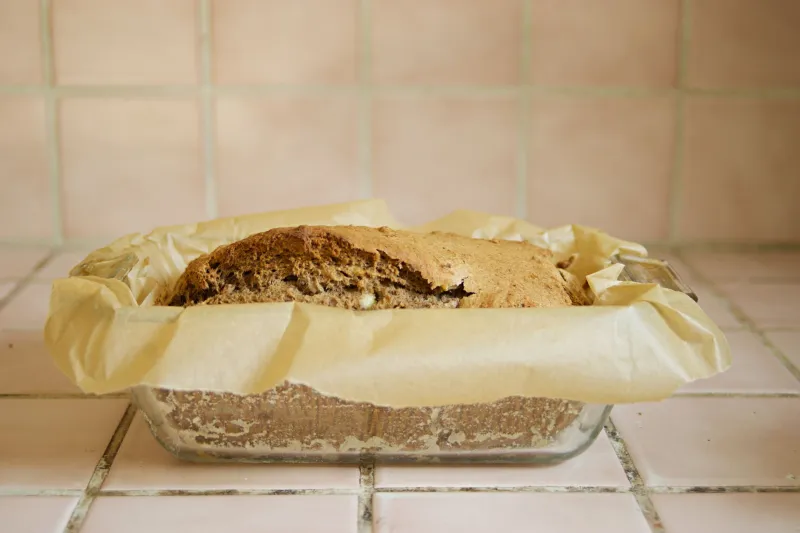
Photo: home baker packing a cake in a postal box with bubble wrap and parchment, UK kitchen, via www.homebunch.com
Posting a cake is one of those lovely, slightly nerve-wracking gestures. You have baked something for someone who lives three counties away, and now you have to trust it to a van, a sorting office and possibly a very enthusiastic postie. The good news is that a cake can arrive looking genuinely gift-like with a bit of planning. You do not need industrial packaging or a degree in logistics. You need the right bake, a sensible box and a little timing nous.
Start with a bake that enjoys the journey
Not every cake is a natural traveller. The best postal bakes are the ones that hold their shape, keep their moisture and do not mind being wrapped and unwrapped. Loaf cakes are brilliant, especially sticky ginger, lemon drizzle or a sturdy banana loaf. Traybakes travel beautifully when cut into neat squares and packed snugly. Brownies, flapjacks and shortbread are practically born for the post. A simple layer sponge can work well too, provided the filling is firm and the cake is not too tall.
Steer clear of anything with fresh cream, custard, fresh fruit or a wobbly mousse. Meringue nests and delicate sugar work are also best kept for hand delivery. If you are using buttercream, choose a firm recipe and keep the decoration low. A cake that has been chilled can sweat inside its wrapping, so let it settle at room temperature before you pack it. This is also why a setting ganache or a simple glacé icing often makes a calmer postal choice than a generous swirl of soft buttercream.
Icing and decoration that can take a bump
Think flat and friendly rather than tall and fragile. A smooth buttercream finish, a thin layer of set ganache or a light glaze gives you a tidy surface without creating a tower that can topple. Press sprinkles gently into the icing so they stay put. Flat fondant shapes, chocolate plaques and simple piped lettering are all reasonably robust if they are given time to set. Avoid loose decorations, sugar flowers and anything that sits proudly above the cake like a tiny weather vane.
Let the icing set overnight before packing. A cake that is still tacky will cling to parchment and arrive with a less-than-gift-like bald patch. If you want to add a candle or a little cake topper, wrap it separately and tuck it beside the cake, not on top of it. The recipient can add the finishing flourish at home, which is half the fun anyway.
The box-within-a-box method
This is the heart of postal cake survival. Start by placing the cake on a sturdy cake board or a thick piece of clean card. Wrap it in baking parchment first, then a layer of cling film to keep in moisture. For a sticky-topped cake, make sure the parchment sits directly against the icing so it does not stick to the film.
Find an inner box that fits the cake closely but not tightly. Line the base with bubble wrap or scrunched paper, then lower the cake in. Fill any gaps around the sides with more bubble wrap or paper so the cake cannot slide about. Close the inner box and give it a gentle shake. If you hear movement, add more padding. Wrap the inner box in a layer of bubble wrap, place it in a larger outer box, and fill the remaining space so the inner box sits snugly in the middle. Write 'this way up' and 'perishable' on the outside, though treat those labels as helpful hints rather than unbreakable promises.
Put a card or note inside the outer box, but not touching the cake. A handwritten note is the easiest way to make a posted bake feel personal, and it costs nothing.
A simple packaging checklist
- Choose a firm, moist cake that keeps well for three to five days.
- Let the bake cool completely and let the icing set overnight.
- Wrap the cake in parchment, then cling film.
- Place it on a sturdy board or thick card.
- Use an inner box with no room to slide about.
- Cushion the base, sides and top with bubble wrap or scrunched paper.
- Double-box, then fill the outer box so nothing shifts.
- Add a handwritten note with the baking date and a serving suggestion.
Timing the happy landing
Post early in the week if you can, ideally Monday to Wednesday, so the parcel is not left sitting in a depot over the weekend. A tracked 24 or 48 service is worth the small extra cost because you can see when the cake is out for delivery. For a birthday or celebration, aim for the day before rather than the day itself. That gives a little breathing room if the van is delayed by weather, traffic or the mysterious ways of the parcel network.
Tell the recipient to expect a parcel and ask them to be in or to nominate a safe place. If the cake is travelling in warm weather, choose a cooler week and keep the icing simple. In winter, remember that a parcel can sit in a cold porch, so a note saying 'bring me indoors' is never wasted.
Keeping costs friendly without losing the fuss
You do not need a fancy hamper to make a cake feel special. Reuse a clean, sturdy box if it is in good condition. Lightweight card boxes are usually better than heavy tins, which add postage cost and can dent. Keep the parcel under two kilograms if you can, and compare a tracked postal service with a courier for your route. A printed label at home saves a queue at the counter, and a sheet of plain tissue paper inside the box makes the whole thing feel considered for very little money.
The made-for-you feeling comes from the handwriting, the baking date and the fact that you thought about what the recipient would actually enjoy. A posted cake does not need to look like a shop display. It needs to arrive intact, smell lovely when the box opens and remind someone that a kitchen far away was thinking of them. That is a very good gift indeed.