The Cupboard Rescue Sponge: A Celebration Cake in Under an Hour

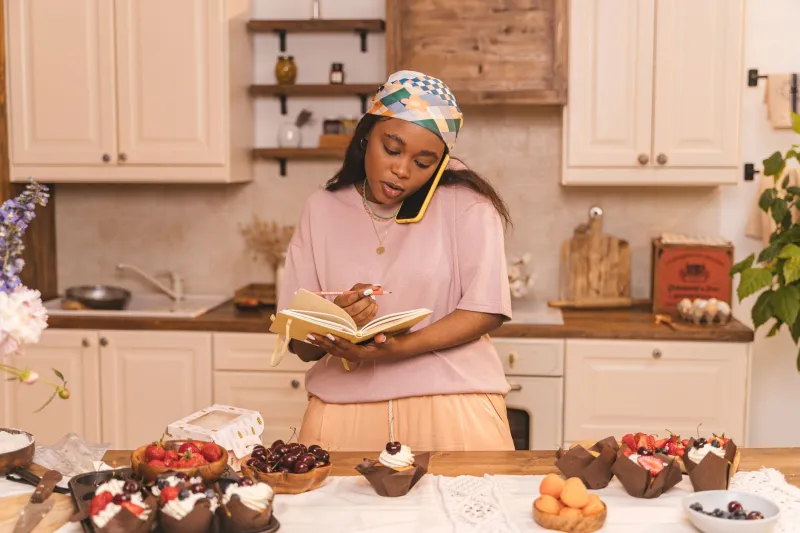
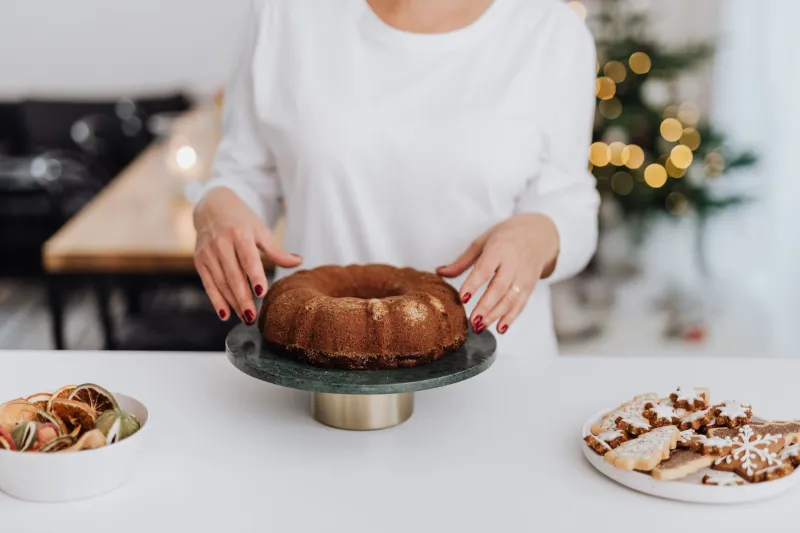
Photo: homemade victoria sponge cake with buttercream and sprinkles on a kitchen table, candles, UK home baking, via i.pinimg.com
There is a particular kind of panic that arrives the night before a birthday. It is not the wrapping-paper panic, or the restaurant-booking panic. It is the quiet, sinking realisation that you have promised a cake and you have nothing in the cupboard but plain flour, a bag of caster sugar and the last three eggs. Good news: that is enough. This is the cake for the occasion that crept up on you — a plain-flour sponge made by the all-in-one method, filled with a buttercream that forgives almost anything, and finished in a way that says 'I absolutely meant to do that' rather than 'I started this forty minutes ago'.
It will not be a three-tier centrepiece. It will be a proper cake, though — soft, buttery, jammy, and entirely capable of holding a candle. At Make Me Cake, we are firmly of the opinion that a homemade cake can still feel like an occasion even when the occasion has arrived at speed.
What you actually need
This makes two 20cm sandwich tins, which is the fastest route to a filled celebration cake. A single deep tin works too, but it takes longer to bake and longer to cool, and speed is the whole point today.
For the sponge:
- 225g plain flour
- 2½ tsp baking powder
- 225g caster sugar
- 225g softened butter or margarine
- 4 large eggs
- 2 tbsp milk
- 1 tsp vanilla extract, if you have it
- A pinch of fine salt
For the buttercream:
- 150g softened butter
- 300g icing sugar
- 1–2 tbsp milk
- A few drops of vanilla
If you only have margarine, use it in the sponge and save any real butter for the icing. If you have no butter at all, a simple glacé icing made from icing sugar and a little water will do the job — it will be glossier and sweeter, but it will still get a candle standing upright.
The all-in-one method, with a realistic timeline
Heat the oven to 180°C conventional, 160°C fan, or gas 4. Grease and line the base of two 20cm tins with baking parchment.
Put every sponge ingredient into a large bowl and beat with an electric hand whisk for one to two minutes, until the mixture is smooth and slightly paler. Scrape down the sides once. Divide between the tins and level the tops with the back of a spoon.
Bake for 22–25 minutes, until the cakes are golden, spring back lightly when pressed, and a skewer comes out clean. Try not to open the oven before 20 minutes.
Here is the honest timeline. Minutes 0–5: weighing and mixing. Minutes 5–27: baking. Minutes 27–35: cooling in the tins. Minutes 35–42: making the buttercream and filling the cake. Minutes 42–45: finishing and finding a candle. That gets you to a warm-ish cake with soft icing — perfectly lovely for a family tea, but if you can spare an extra ten minutes of cooling, take them. Buttercream on a hot sponge will slide, and nobody needs that drama.
Quick flavour swaps from the same cupboard
A plain sponge is a blank page. Stir in the finely grated zest of a lemon or orange and a tablespoon of juice. Swap one tablespoon of milk for strong coffee. Add a teaspoon of cinnamon or mixed spice. Replace 25g of the flour with cocoa powder for a light chocolate version. Fold in a handful of chopped chocolate, dried fruit or nuts if they are lurking in the back of the cupboard. None of these will upset the method; they just change the mood.
The forgiving buttercream
Beat the softened butter for a minute, then add the icing sugar in two or three goes, along with the vanilla. Add milk a teaspoon at a time until it is spreadable but still holds a soft peak. If it looks curdled, add a tablespoon more icing sugar and keep beating. If it is too stiff, add a splash of milk. If it is too soft, chill it for ten minutes. This is not a temperamental Swiss meringue; it is a domestic buttercream with a sense of humour.
Five finishes that hide the rush
- Jam and a dusting. Spread jam between the layers, add a thin layer of buttercream on top, and finish with a snowdrift of icing sugar. It looks deliberately plain, which is a very good look.
- The one-swoop swirl. Use the back of a spoon to make big, lazy swirls across the top. Scatter sprinkles over the still-sticky buttercream. No piping bag, no problem.
- Chocolate drizzle. Melt 50g chocolate and flick it over the top with a teaspoon. Add a few crushed biscuits or a pinch of sea salt. It reads as 'coffee-shop cake' rather than 'emergency cake'.
- Fruit and a sprig. A handful of raspberries, sliced strawberries or a few blackberries, plus a small mint leaf, turns a plain top into something that looks considered. Do this just before serving.
- The candle-and-ribbon finish. Tie a ribbon around the tin or the cake stand, cluster the candles slightly off-centre, and call it styling. It is amazing what a ribbon does for morale.
Timing it for the actual occasion
For a midweek birthday after work, bake the sponges as soon as you get in, make the buttercream while they cool, and serve the cake slightly warm with a jug of tea. For a workplace send-off, bake the night before, store the cooled sponges in an airtight tin, and carry the buttercream separately in a tub; fill and finish at the desk. For a last-minute family tea, make the cake in the morning, ice it once cool, and leave it under a cake dome until the doorbell goes.
The reassurance bit
A rush cake is not a lesser cake. It is a cake made with the ingredients you had and the time you could spare, and that is precisely what homemade means. No one at the table is going to measure your buttercream for evenness. They are going to smell warm sponge, see a candle, and feel that small lift of being thought of. So preheat the oven, grab the plain flour, and get the kettle on. The occasion is tomorrow, and you are already halfway there.