The Calm Cut: Portioning a Celebration Cake Without Squashing the Buttercream
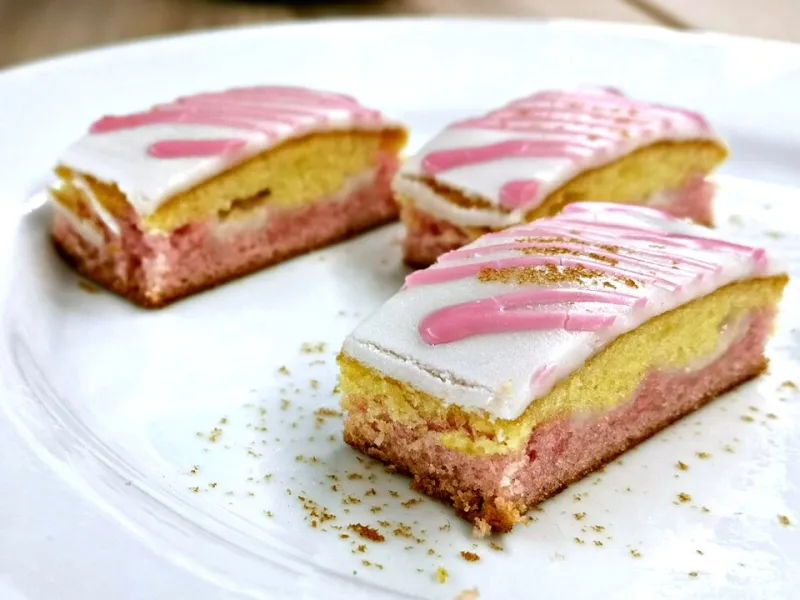
Photo: B&M Stores, CC BY 2.0, via Wikimedia Commons
There is a particular moment at every party when the cake comes out and the room goes quiet. Then someone hands you a knife and suddenly you are not just a baker but the person in charge of fairness, neat edges and whether Auntie Jean gets a corner piece. Cutting a cake sounds like the easy part. In practice, it is the last mile of the bake, and it deserves a bit of thought.
A good slice is not about being stingy. It is about making the cake look as tempting on a plate as it did on the stand, giving everyone enough to feel looked after, and avoiding that sad moment when the final wedge collapses into a buttery heap. Whether you have made a round Victoria sandwich, a traybake for the school fair, a towering layer cake or a number cake for a big birthday, the principles are pleasingly similar.
First, do the portion maths (not the panic maths)
Portion planning is the bit most of us skip. A 20cm round sponge, split and filled, will serve 12 generous slices or 16 polite ones. Move up to a 23cm tin and you are looking at 16 to 20 slices; a 25cm round cake comfortably serves 20 to 24. A 20cm square cake is a generous thing, usually good for 16 to 20 portions. A standard 30cm x 23cm traybake cuts neatly into 24 squares, or 15 larger rectangles if you are feeding people who have already had a sandwich.
For a two-layer sponge, aim for slices about 2.5cm wide at the outer edge. Richer cakes — think chocolate fudge, ganache or anything with a thick buttercream — can be cut a little narrower, around 2cm. Number cakes are their own beast: a single digit usually gives 8 to 10 portions, while two digits will serve 16 to 20 depending on how wide the shapes are. If in doubt, cut slightly smaller slices and offer seconds. Nobody has ever complained about being offered more cake.
The kit: a long knife, a jug of hot water, a clean cloth
You do not need a drawer full of cake gadgets. A long, thin-bladed knife is your best friend for sponges and layer cakes. A serrated knife is useful for traybakes with a crunchy top or a delicate crumb. Add a jug of hot water, a clean tea towel and a cake server or small palette knife, and you are set.
The warm-knife method is the closest thing to a magic trick in home baking. Dip the blade in hot water, wipe it dry, and cut with a gentle push rather than a sawing motion. Wipe the blade clean between slices and dip again. This is especially important with buttercream, ganache or fondant, where a cold, smeary knife will drag the icing and make the cut faces look tired. A hot, dry knife glides through and leaves clean lines.
Round sponges: the wedge without the wreckage
For a round cake, start by finding the centre. A cocktail stick or a tiny dab of icing can mark the spot. Cut the cake into quarters first, then divide each quarter into three or four slices depending on your portion plan. This gives you even wedges without guesswork. Cut straight down with a gentle pressure, not a heavy squash, and let the blade do the work.
When lifting the slice, slide a cake server or a small palette knife underneath rather than gripping the wedge with the knife. If the cake has a soft filling, support the slice as you move it to the plate. For a very tall sponge, cut a narrower slice than you think you need; it will look more elegant and be easier to eat.
Traybakes and sheet cakes: squares are your friend
Traybakes are the quiet heroes of UK party tables, and they cut beautifully if you chill them first. A 20-minute stint in the fridge firms up the topping and makes clean lines much easier. Use a long knife and cut straight down, wiping the blade between rows. If you want tidy squares, score a grid lightly first, then cut along the lines. A 30cm x 23cm tin gives you a neat six-by-four grid of 24 squares, which is just right for a coffee morning or a bring-and-share.
Do not saw backwards and forwards. One firm, straight cut per line is better than lots of little nibbles. If the top is crumbly, cut from the top down and lift the knife away cleanly rather than dragging it out through the surface.
Layer cakes and tall bakes: support the slice
Layer cakes can be dramatic, but they need a calm hand. Chill the cake for at least 30 minutes before cutting so the filling firms up. Use a long knife and cut one clean slice from the top right down to the board. Then slide a wide cake server underneath and lift the slice out sideways. If the cake is very tall, lay the slice down on the plate rather than trying to balance it upright. It will look just as good and be far easier to eat.
Number cakes: cut across, not along
Number cakes look impressive but can baffle the knife-wielder. The trick is to cut across the width of the shape rather than trying to follow the outline. Start at one end and cut slices around 2.5cm thick, working your way along the digit. For a narrow number like a one, you may need to cut slightly thicker slices to keep them stable. Support each slice with a server as you lift it, and keep the cake chilled between servings if the room is warm.
The buttercream problem: stop squashing
Buttercream is lovely until a knife drags through it and leaves a smeared, squashed edge. The answer is simple: cold cake, hot dry knife, wipe between cuts. Do not press down hard. Let the blade glide. If you feel resistance, dip the knife again. The same goes for ganache and fondant. A clean cut is not about speed; it is about a sharp blade and a light touch.
Leftovers: the good bit
There will almost always be a few slices left, and that is a good thing. Wrap the cut faces of the cake with cling film or beeswax wrap and keep it in a tin for up to two days. Sponges with fresh cream or perishable fillings should go in the fridge and be eaten within a day. Leftover cake freezes well in slices, wrapped individually, and can be revived later for a midweek treat. You can also turn offcuts into a trifle, fold them into ice cream, or blitz them into cake truffles with a little buttercream and melted chocolate.
Serving without the scrum
Set out plates, forks and napkins before you cut, and keep a second cake in the kitchen if you are feeding a crowd. For a buffet, cut the whole cake into slices and lay them slightly overlapping on a board so people can help themselves without hovering. And if you are the one cutting, give yourself permission to take a slice first. You did the baking, after all.